VCT 2027 explained: New format, team payouts and the risks for organizations
By RIB Staff · Nov 5, 2026
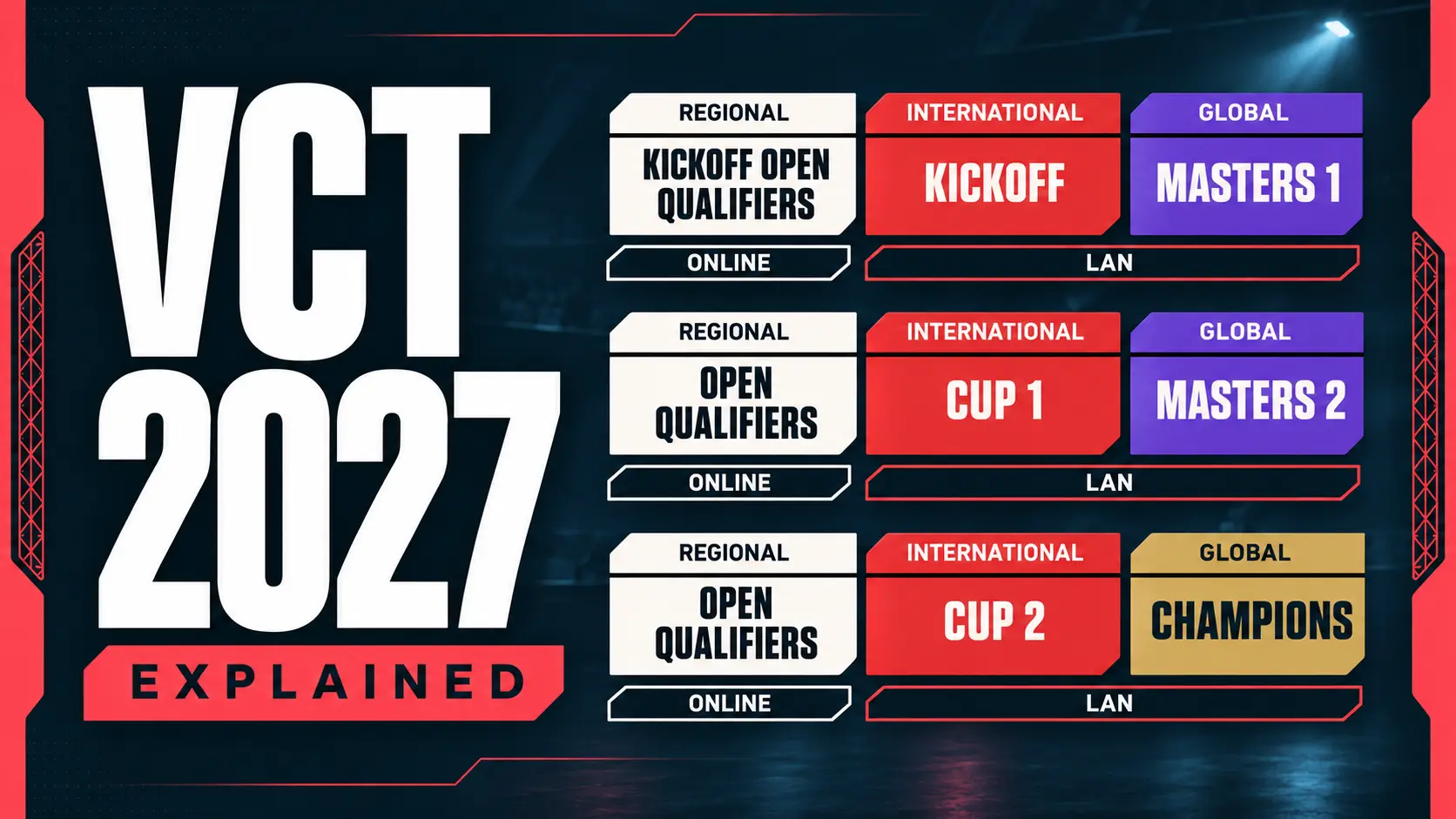
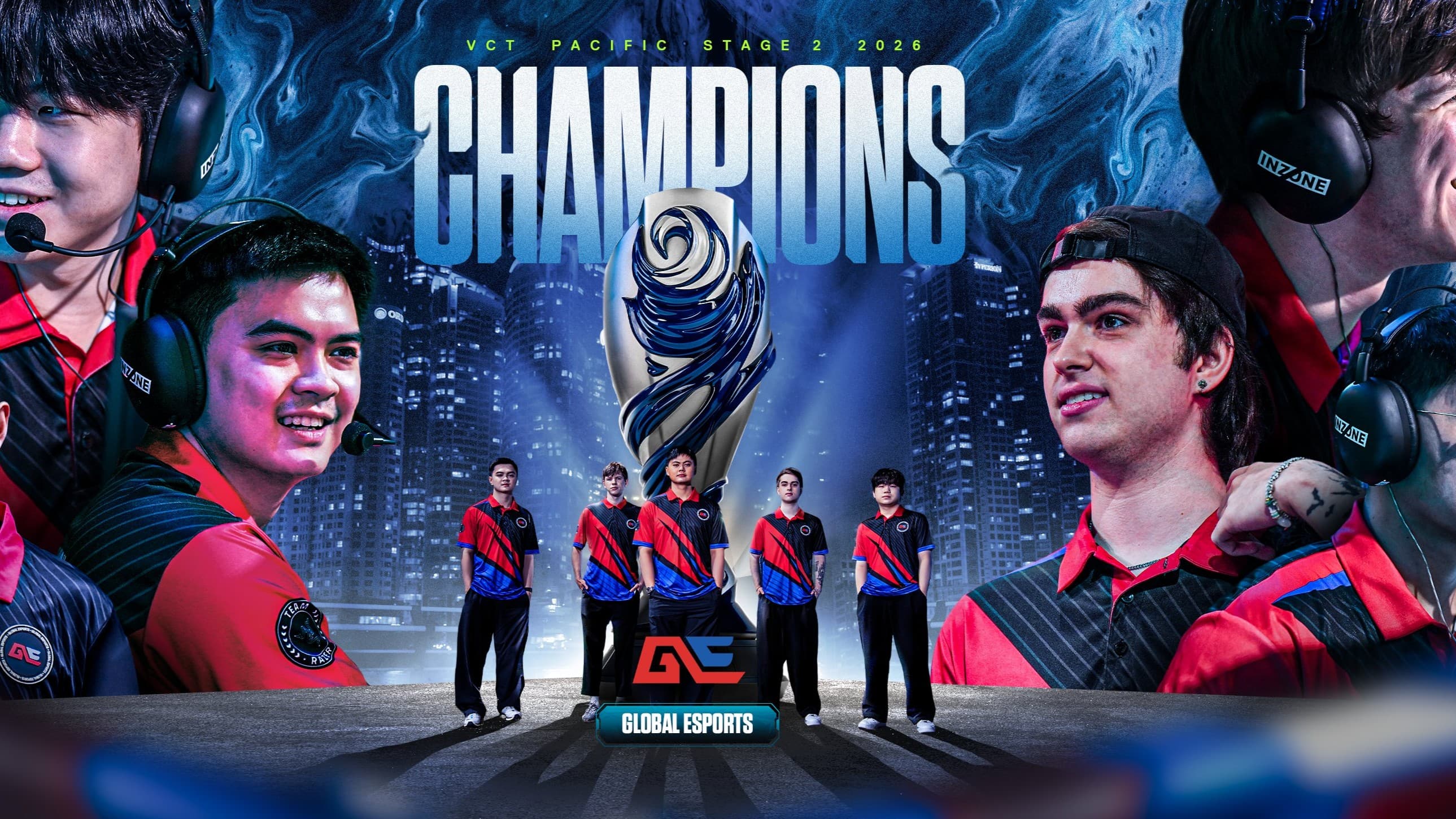
For VCT 2027, Riot cuts its partner program to eight teams per region in Americas, EMEA and Pacific, down from as many as 12. Kickoff, Cups, Masters and Champions are also opened to any team that qualifies on results. That gives players a more open path to the top, but it leaves non-partnered organizations paying tier-one costs without the stipends or skin revenue that partners receive. That gap is the main reason Global Esports, the 2026 VCT Pacific Stage 2 champion, and Evil Geniuses, the 2023 Valorant Champions winner, both ended their esports operations within days of the partner announcement.
VCT 2027 at a glance
Partner teams: eight per region, picked from more than 100 applicants and reviewed every two years.
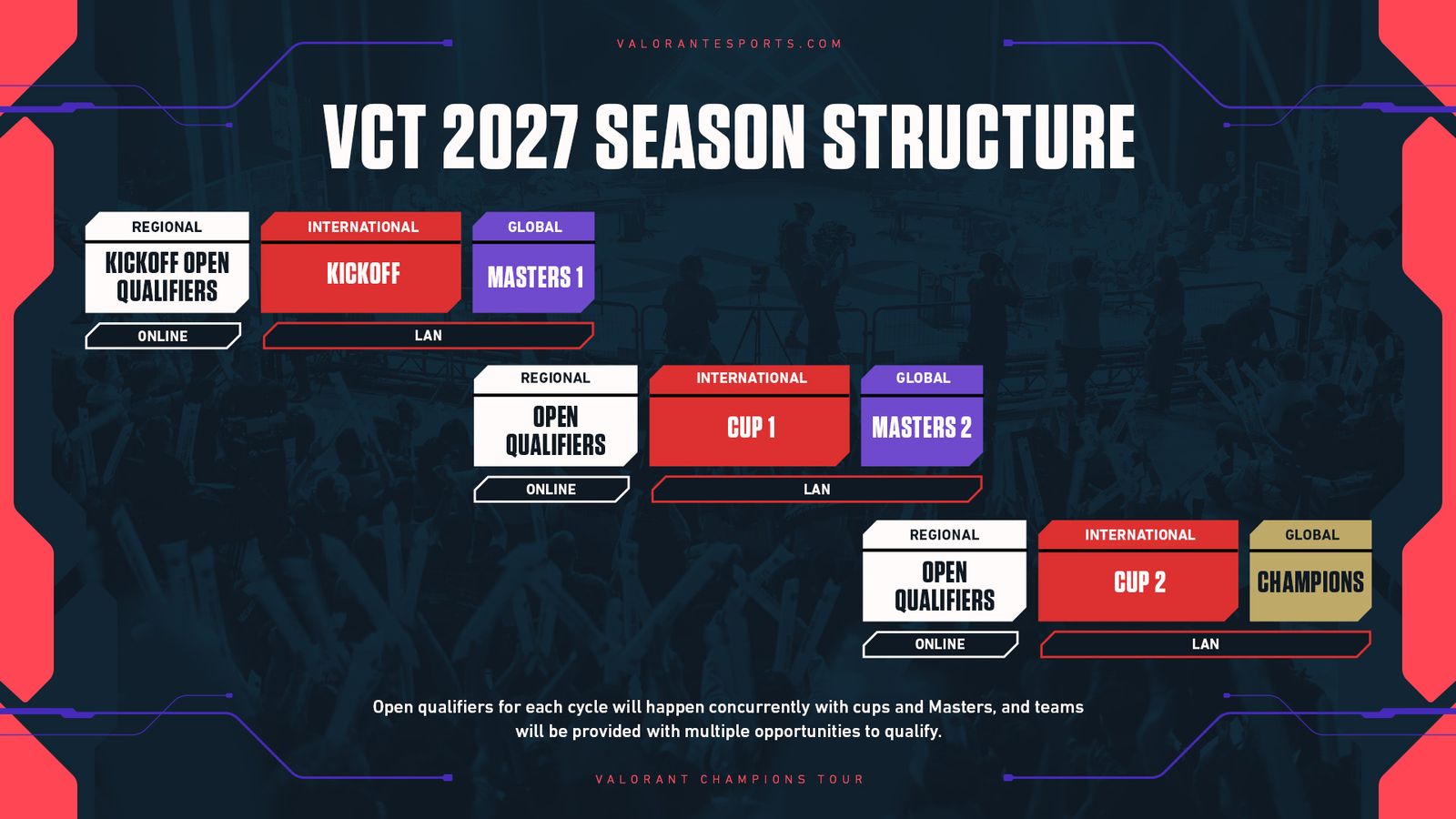
Kickoff: 12 teams per region in Americas, EMEA and Pacific (eight partners and four from open qualifiers). The top three go to the first Masters.
After Kickoff: spots at Cups, Masters and Champions are earned on results. Being a partner no longer guarantees a place.
Partner income: a base payment, a performance bonus and a share of team capsule revenue.
Non-partner income: fixed qualification payments ($100,000 for a Kickoff or Cup, $200,000 for Masters, $400,000 for Champions) plus prize money.
VCT China: uses a different model. Its Kickoff has eight partners, two visitor teams and two open qualifiers.
What changed in the VCT for 2027?
The VCT has now had three structures. In 2021 and 2022 it was built on open qualifiers, and in theory any team could reach Masters or Champions. In 2023 it switched to a partnership model. Thirty teams across Americas, EMEA and Pacific got long-term places in the international leagues, and China was added later. Everyone else played in Challengers all year for one Ascension spot per region, and that spot only gave two years in the top league.
Riot announced in April 2026 that it would overhaul the system for 2027. The new circuit keeps a smaller group of partners, gives them direct entry only to Kickoff, and fills the rest of the year through open qualification. A partner that does badly at a Cup or Masters drops into the open playoffs and has to earn its way back. Riot has said that in exceptional cases, the best non-partners could earn more than the lowest-earning partners.
Why did Riot keep partner teams at all?
The original partnership model mostly protected the scene's audience. In 2022, Sentinels were Valorant's most popular team, but they failed to qualify for any international event that year after struggling in open qualifiers. Franchising guaranteed that the biggest brands, and the streamers and fanbases attached to them, would stay on the main broadcast.
In exchange for stipends, partners agreed to spend on marketing, content and fan events. Riot also gave them a direct share of in-game sales through VCT team capsules, so fans could fund a team by repping it in the game. That revenue grew fast. Teams earned $44.3 million from digital goods in 2024 and $86 million in 2025. The 2027 model keeps this incentive for eight teams per region. Everyone else loses it.
Why are esports orgs leaving Valorant?
The payouts don't cover a roster
M80's CEO estimated that a tier-two roster with experienced pros cost about $500,000 a year in 2026, including player and coach salaries and travel. The fixed payments start at $100,000 per event, so a non-partner would need to qualify for every Cup and at least one Masters just to break even. A partner earns its base payment and capsule share whatever its results. For a non-partner, a single missed qualifier wipes out its margin.
Partners can outbid everyone for players
The second problem is keeping players. Ludwig, co-owner of Shopify Rebellion, argued after the org missed out on partnership that Shopify Rebellion should "abandon Valorant completely," saying he saw "no reward" in continuing. His reasoning: non-partners must build rosters good enough to beat teams with millions of dollars in upfront capital and skin sales, while offering players lower salaries and no share of capsule revenue. Any open team that has a good run at a Cup or Masters is likely to lose its best players to partners in the off-season. Players have little reason to stay, because a strong year doesn't turn their team into a partner.
Open teams don't start on equal footing
Partners go straight into Kickoff. Open teams have to get through regional qualifiers first. In the EMEA Kickoff qualifier playoffs, invited teams start in the upper bracket and teams that came through the open qualifiers start in the lower bracket, one loss from elimination. That seeding drew heavy criticism from fans who expected a fully open format.
The two-year cycle rewards waiting
Partnerships are reviewed every two years. An org that does well in 2027 and fades in 2028 may have a weaker case at the next review than one that sits out the first year and enters strong just before it. For a cautious investor, the safest move in year one may be not to compete at all.
Which teams left Valorant, and which are staying?
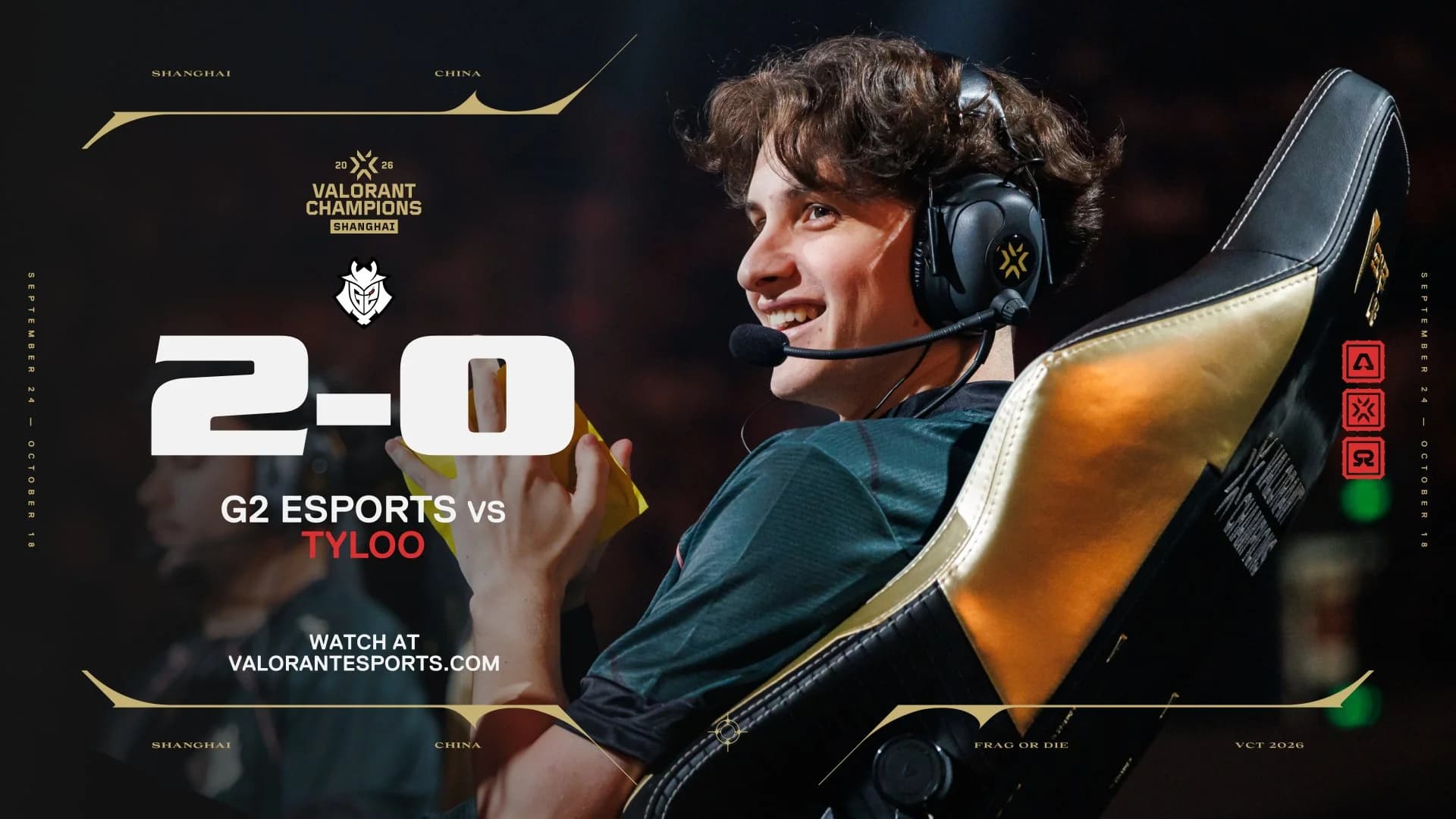
Global Esports: won VCT Pacific Stage 2 in 2026, its first VCT trophy, and went to Champions Shanghai as Pacific's first seed. On October 19, 2026, CEO Rushindra Sinha called it "the official last day of Global Esports as a competitive roster." The company is continuing as GE Studios, an AI company, and Sinha said the exit from esports had been planned for a long time.
Evil Geniuses: was turned down for an Americas partnership three years after winning Champions. It announced on October 20 that it would end operations on November 2, 2026, with its CEO saying the business "cannot be operated responsibly in the current environment."
Cloud9: not selected, and holding open tryouts to keep competing.
NongShim: reportedly sent a proposal of more than 110 slides, missed out, and plans to compete anyway.
Shopify Rebellion and M80: not selected. Both have publicly questioned whether competing without partnership is financially viable.
Barça Esports: reported to still be interested in entering Valorant.
The orgs staying in tend to have income outside Valorant. This has happened before. NIP released its roster right after missing partnership in 2022.
Who benefits from the new VCT?
Fans get more teams, more upsets and higher stakes, because an open team can now go from qualifiers to a Champions title. Players get a real path to the top that doesn't depend on an org's partner status. Riot ties more of its spending to performance and holds partners accountable, though it now produces more events. Partners such as Sentinels gain the most. They have guaranteed Kickoff entry, a bigger share of skin revenue than before, and the first pick of players from orgs that missed out.
The group that loses is non-partnered organizations. Tier two was already a poor business. The 2027 model gives these orgs more chances to compete but no better way to make a profit.
Is VCT 2027 good for Valorant esports?
As a competition, it is a clear improvement. Results now decide nearly every international spot, which fixes the main complaint about the partnership era: underperforming teams kept places that tier-two rosters had earned. As a business, the open half of the circuit depends on orgs being willing to lose money for a chance at a Masters run. If enough of them leave, the open qualifiers fill with short-lived rosters, and the partner/non-partner divide just moves somewhere else. Two things to watch in 2027: how many open-qualifier teams reach Masters, and whether any well-known partner gets sent to the open playoffs.
VCT 2027 FAQ
How many partner teams are there in VCT 2027?
Eight per region in Americas, EMEA, Pacific and China. Riot picked them from more than 100 applicants for a two-year term.
Can a non-partner team win Valorant Champions in 2027?
Yes. After Kickoff, spots at Cups, Masters and Champions are decided on results, so an open-qualifier team can go all the way to a Champions title.
How much do non-partner teams earn in VCT 2027?
Riot pays $100,000 for qualifying for a Kickoff or Cup, $200,000 for Masters and $400,000 for Champions, plus prize money. Non-partners get no base stipend and no capsule revenue.
Why did Global Esports leave Valorant?
Global Esports ended its esports operations in October 2026, weeks after winning VCT Pacific Stage 2. It is becoming an AI company, GE Studios, and its CEO said the move had been planned for a long time.
How often does Riot re-evaluate VCT partners?
Every two years. The next review covers the 2029 season.